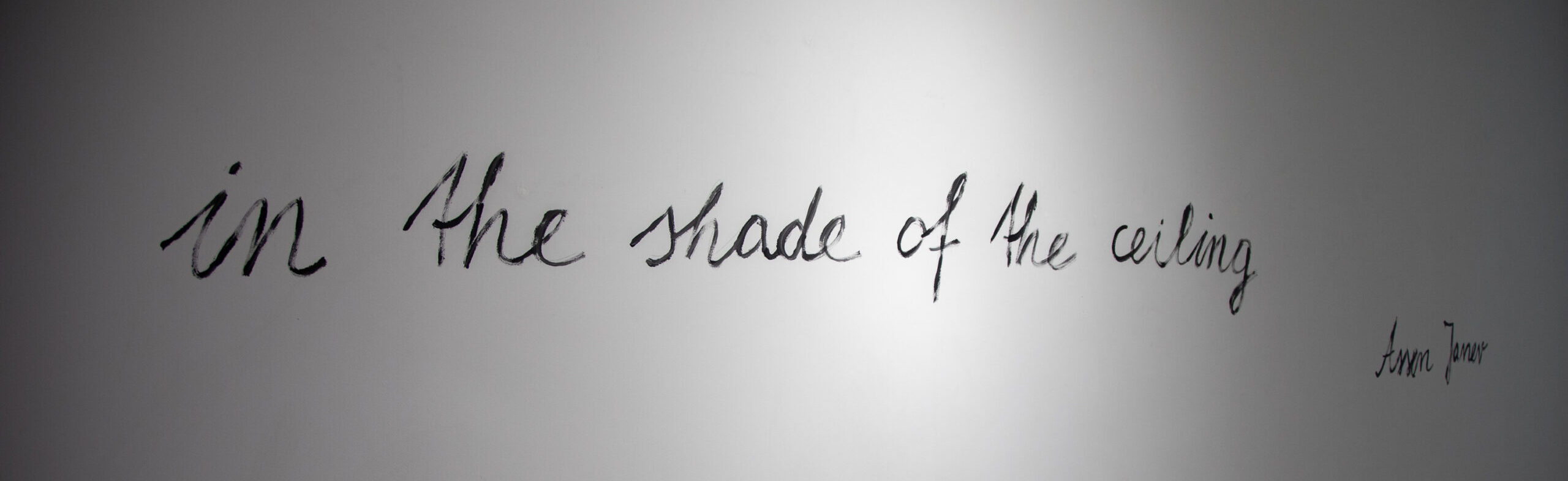
In the shade of the ceiling

Assen Janev
16.05 - 12.06.2024
Charta, Sofia, BG

»Who should I point my finger at now? I love doing that«

-Elfriede Jelinek

We humans go through life and have a certain image of ourselves. We are convinced that we know ourselves well. We know what defines us, what character traits and personality attributes we have. But is that really true? How often do we find ourselves experiencing feelings, having thoughts, committing acts that seem completely alien to us? How often do we realize that we have character traits, behaviors and personality attributes that we are not proud of and that we keep hidden from other people? As if we are not ourselves.

Sigmund Freud’s student, the Swiss psychiatrist and psychotherapist Carl Gustav Jung, referred to these unconscious or repressed sides of our personality as our “shadow”. The “shadow” embodies all the socially unacceptable and undesirable traits of our self; all the characteristics, behaviors and feelings that we do not identify with, but nevertheless carry latently within us. The “shadow” represents the counterpart to our ideal self-image, the “persona”, as Jung calls it. The “persona” represents our social mask and is the externally directed aspect of our “ego-consciousness“; the facade of conformity and politeness, behind which our true wishes and desires are hidden. And so we boldly demonstrate our bright side to the world outside, while the unloved character traits slumber deep in the darkness of our existence.

But why do we hide from ourselves? Because we believe that our “shadow sides” are not acceptable to society? Because they do not harmonize with our chosen and externally staged image? Jung came up with a very simple definition: “Our shadow is the person we would rather not be, but are nevertheless, and which we often project onto others and fight against there.” We often face our “shadow side” when we get upset about other people or react to them in an exaggerated way. The “Other” appears annoying or suspicious to us primarily because we perceive character traits in them that we don’t want to see in ourselves. Jung described this mechanism as “projection”. The “projection” onto the “Other” is a proven method and the most widespread defense mechanism to avoid confrontation with one’s own “shadow”. The “projection” serves us to shift the inner “threat” to the outside, as what is not accepted within us is preferably seen in the “Other”.

Anyone who takes a critical look at the events of our everyday lives will realize how widespread this type of projection is. Whether in politics, sport, business, work or family – it seems easier to accuse others than to examine and question one’s own conscience. But are we not giving in to the misguided feeling that we are the “better” people when we judge the “Other” for what is actually our shadow? Isn’t there a chance that we will understand and accept the humanity of the “Other” if we acknowledge and accept our own humanity? Because we are all fugitives from ourselves. We are all us, elsewhere and nowhere. We are the “Other” – outside and inside us. None of us is one. All of us are both, half us, half the “Other“.

-Text: Assen Janev

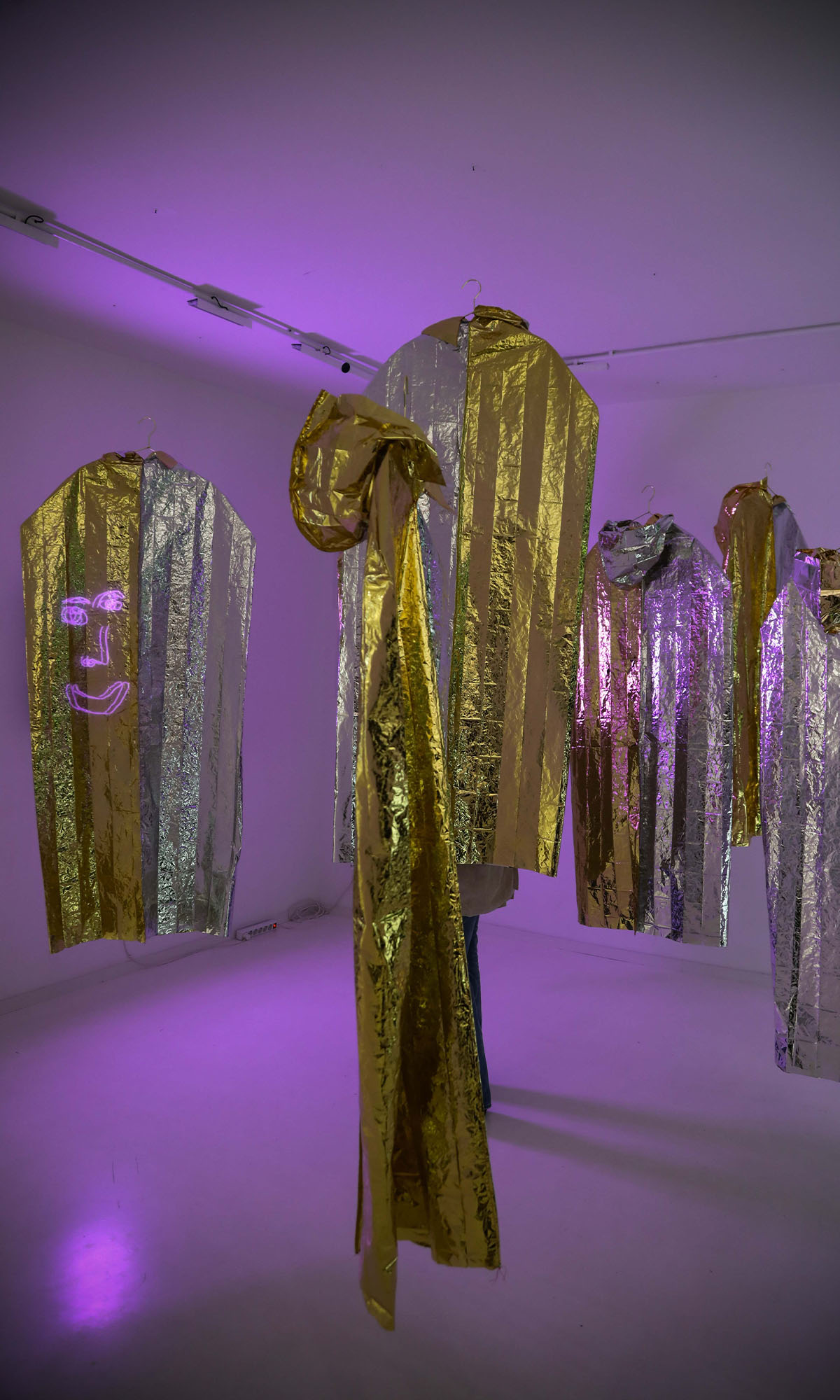
Installation view

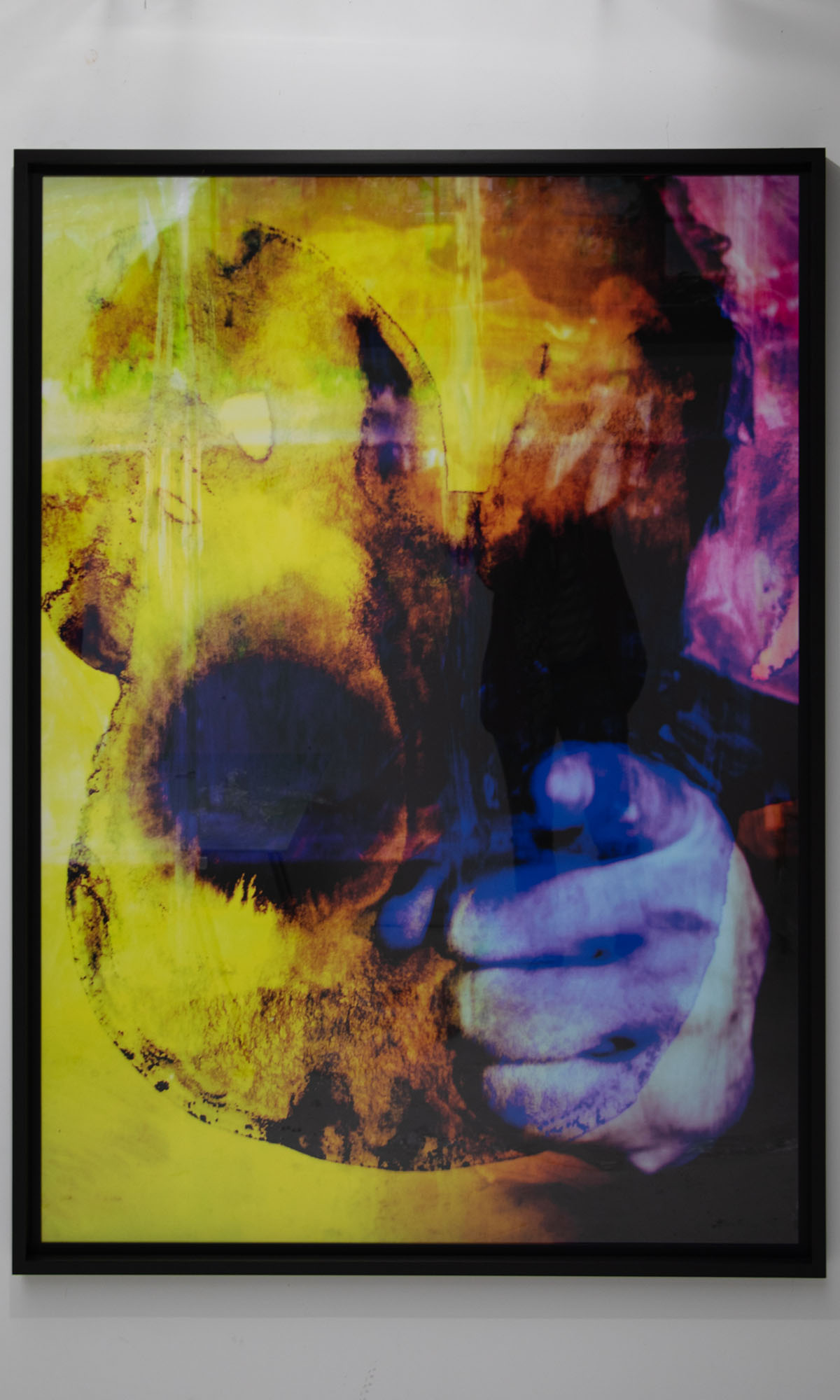
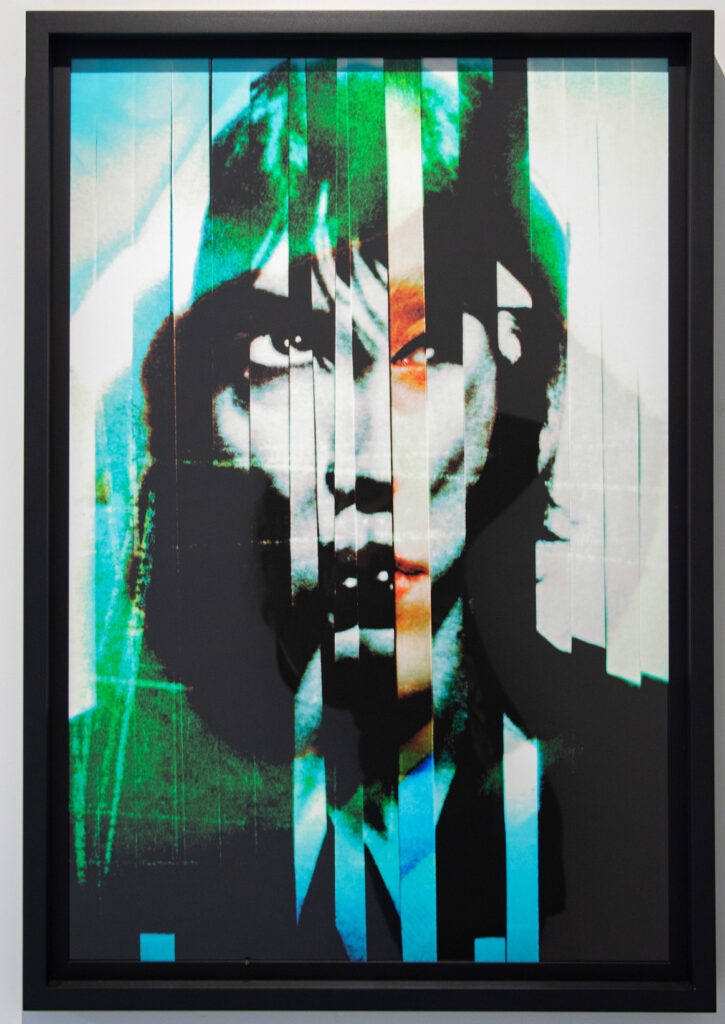
Artworks

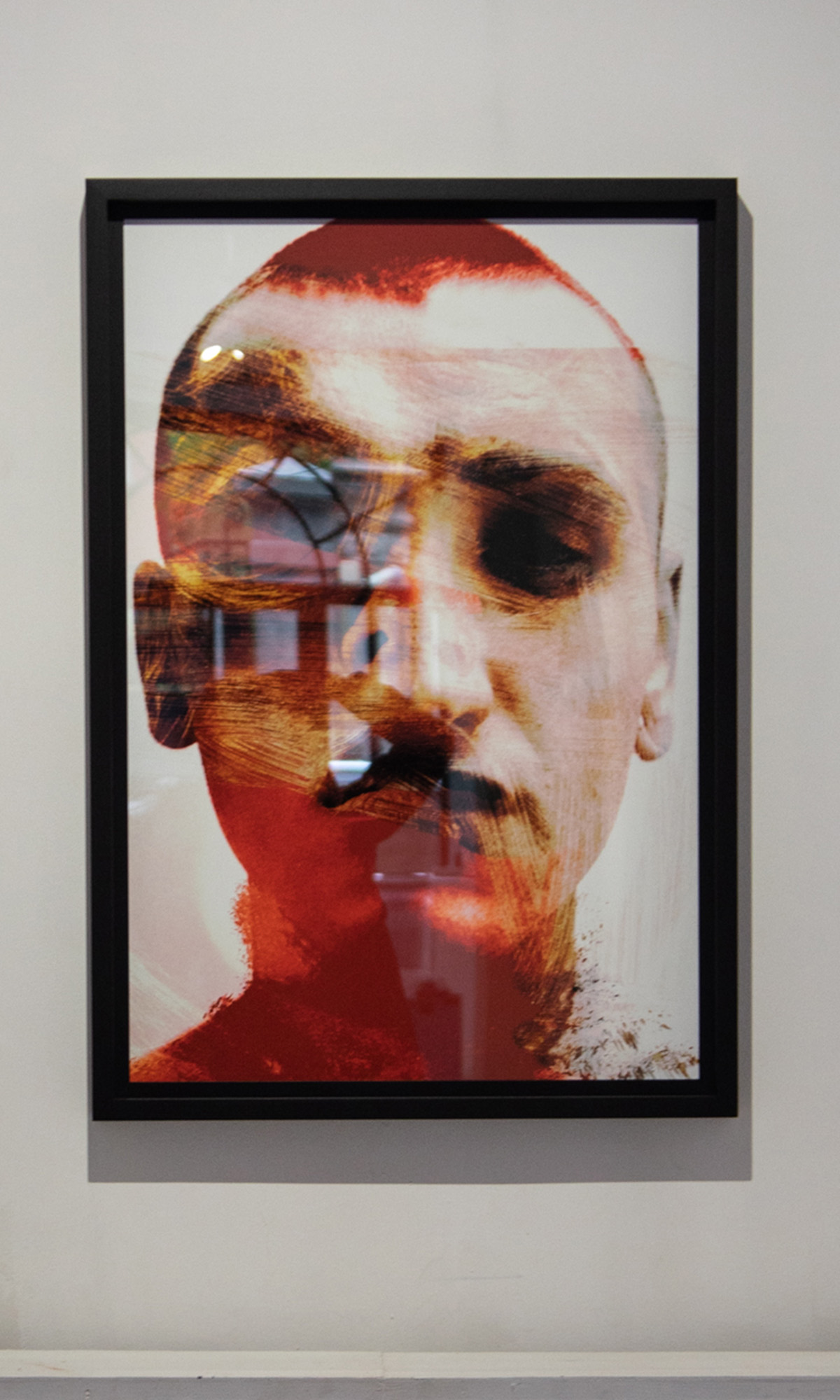
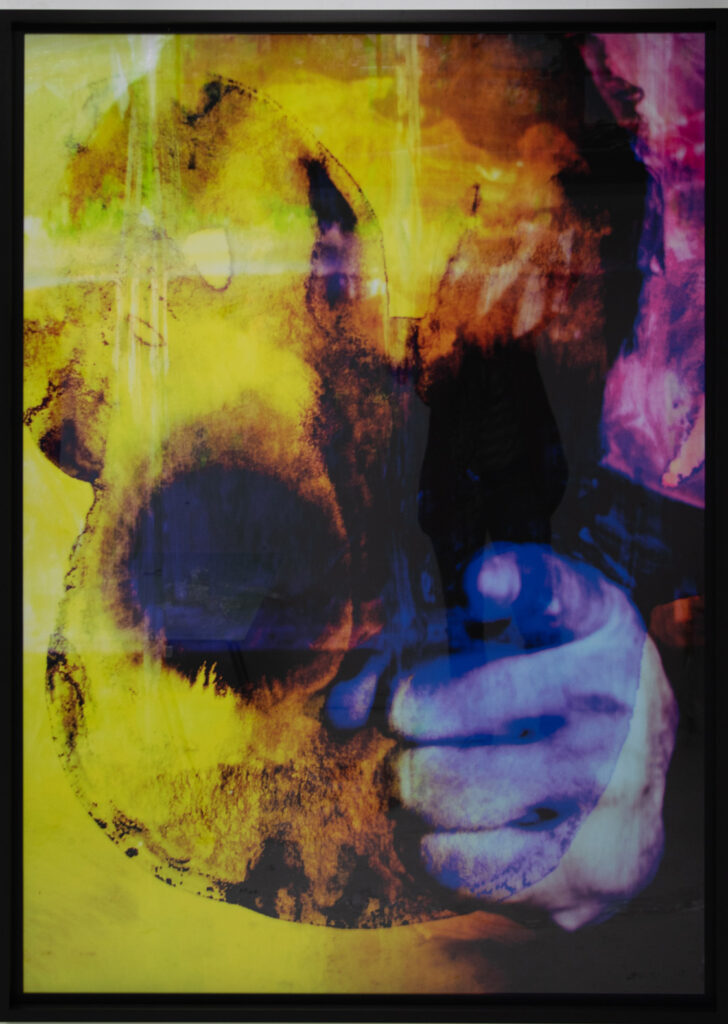
Hetztier #07
pigment print on Hahnemühle
Photo Rag Bright White / framed
80 x 60 cm

2019

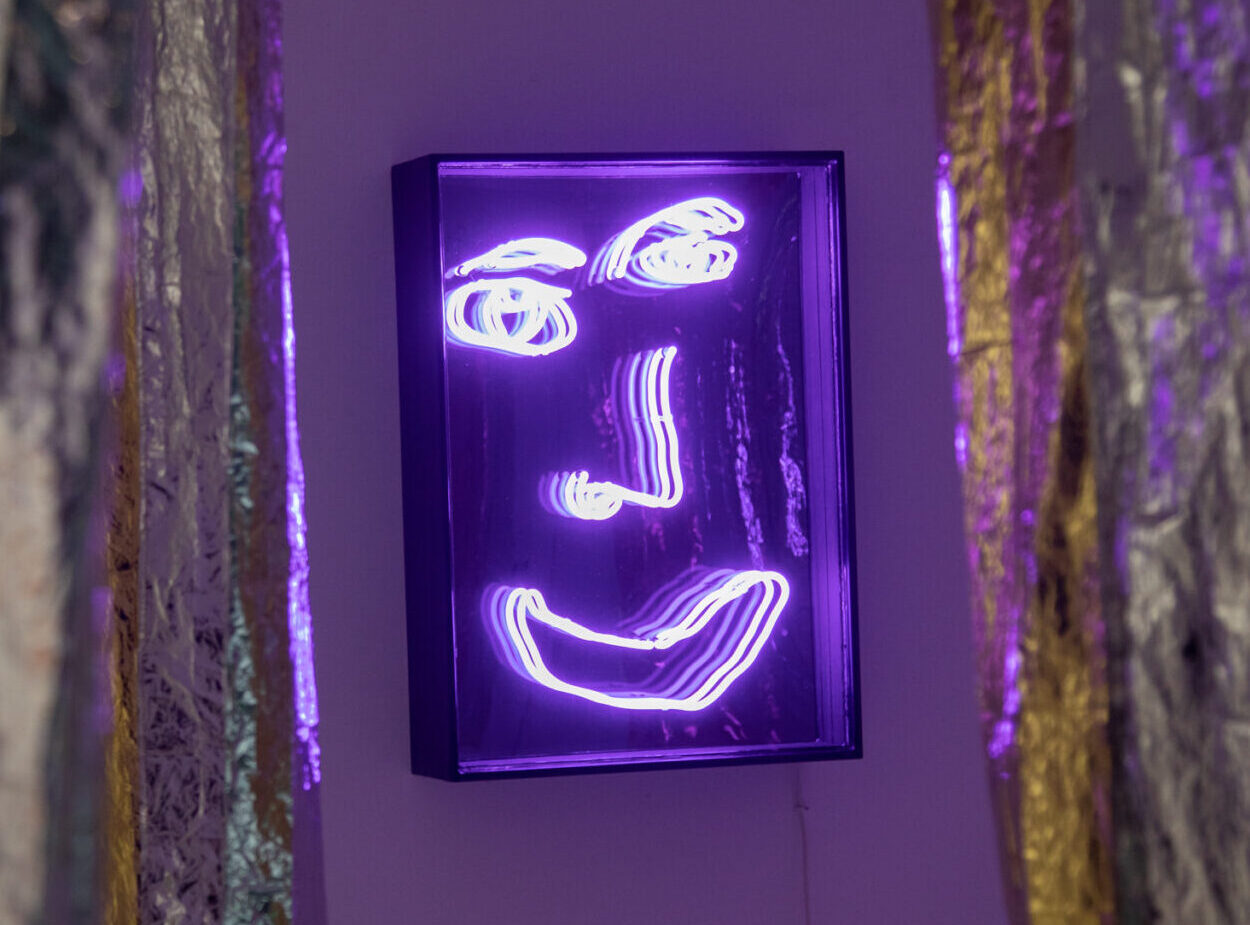
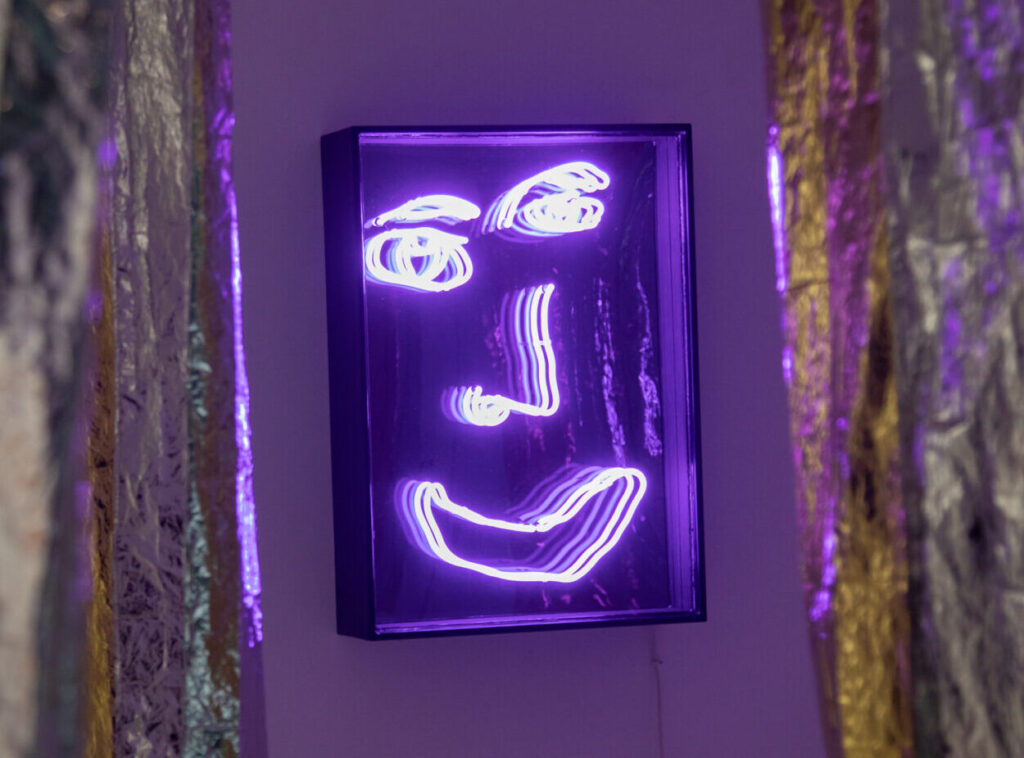
_loving me, loving you
steel, neon, glass, perspex
70 x 50 x 15 cm

2024

_Die Pelle der Identität/
the peel of identity
space blanket, red textile yarn,
metal coat hanger
variable sizes

2018/2024

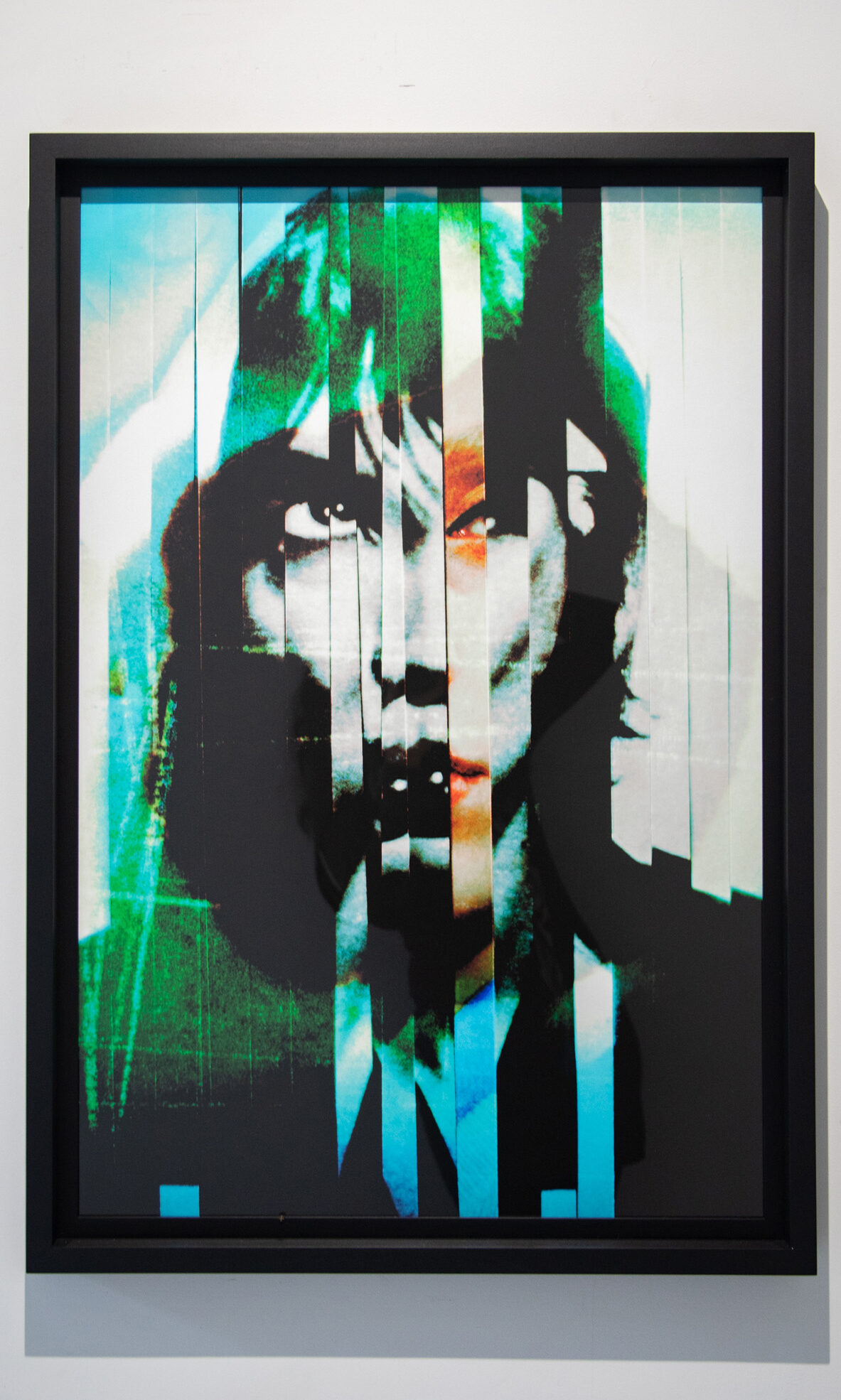
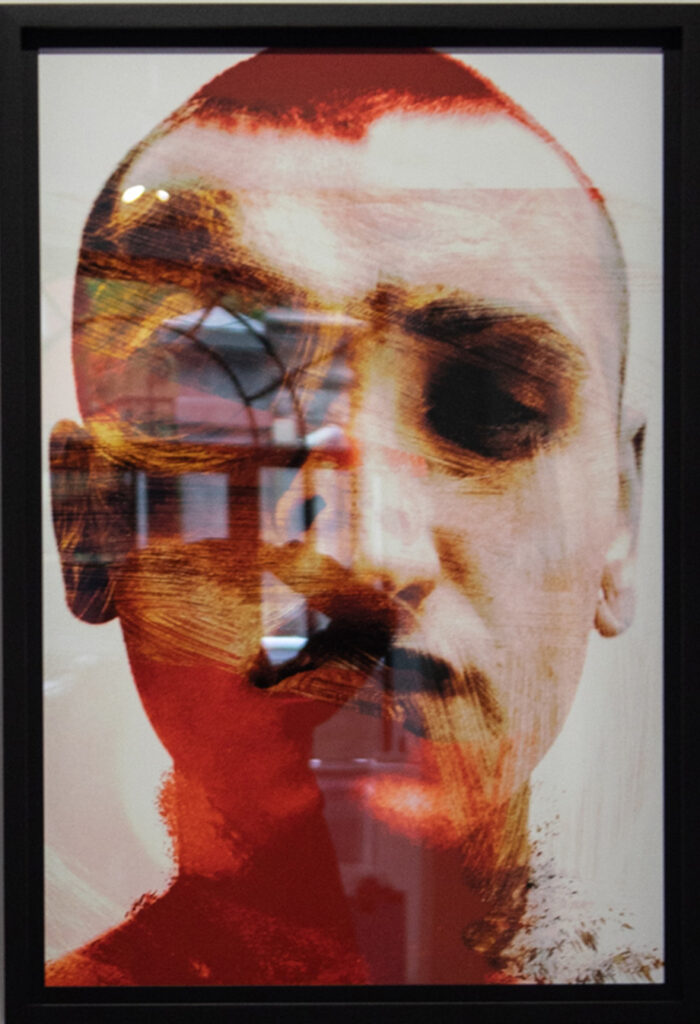
Du mein Sie #10
pigment print on Hahnemühle
Photo Rag Bright White / framed
80 x 60 cm

2021

Waves and currents #13
pigment print on Hahnemühle
Photo Rag Bright White / framed
161 x 116 cm

2013

About the artist

Assen Janev /born in Sofia, studied art and media science, currently based in Basel/ is a multidisciplinary artist working in a variety of media including photography, collage, installation, drawing and painting. The focus of his autobiographically motivated works is on the explosive nature of human existence shaped by temporal and spatial simultaneity. His works reflect his commitment to the diversity, the incompatibilities and the contradictions of the world we live in today. They are the external view of an internal resonance space and a polyphonic deconstruction of convictions and certainties. What is revealed in them is the possibility, the potential, the interface between something real and its representation. In this way, different contexts come together to form a complex whole that nevertheless remains a fragment.

We'll be in touch with you shortly

In order to respond to your enquiry, we will process the personal data you have supplied in accordance with our privacy policy.